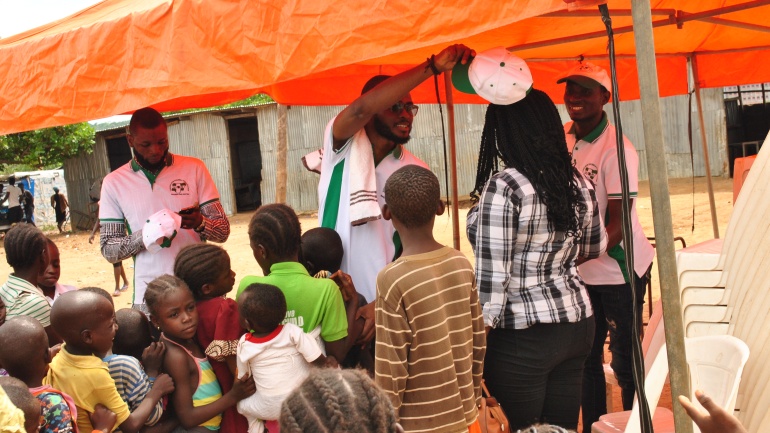
Women: The Architects of Peace and Sustainable Development
By Visions for Nigeria Foundation | Peacebuilding, Women Empowerment and Sustainable Development
Peace is not merely the absence of war or conflict; it is the presence of justice, equality, understanding, tolerance and mutual respect. It is the foundation upon which societies build prosperity, development and a better future for generations to come. In the pursuit of lasting peace, one group whose contributions cannot be overlooked is women.
Across the world, and particularly in Nigeria, women have continued to play remarkable roles in promoting peace, preventing conflict, rebuilding communities and fostering social cohesion. Whether as mothers, community leaders, educators, human rights advocates, mediators, entrepreneurs or political leaders, women contribute significantly to creating peaceful and stable societies.
Women are not just victims of conflict; they are also agents of change, voices of reason and important architects of peace.
The Role of Women in Peacebuilding
Women contribute to peacebuilding in many ways, often beginning at the family and community levels. As mothers and caregivers, they teach children values such as tolerance, kindness, respect, patience and peaceful coexistence. These values help shape future generations that understand the importance of resolving disagreements without violence.
Beyond the home, women participate in community dialogue, reconciliation initiatives and conflict resolution processes. They often understand the underlying tensions within their communities and can build relationships across ethnic, religious and cultural boundaries.
In communities affected by violence, women frequently serve as bridges between divided groups, encouraging dialogue, forgiveness and peaceful coexistence.
Their ability to connect with different members of society makes their participation essential to sustainable peace.
Women’s Contribution to Conflict Prevention and Resolution in Nigeria
Nigeria is a country of diverse ethnic groups, religions, languages and cultures. This diversity is a source of strength, but disagreements, insecurity, communal tensions and violent conflicts have also affected many communities.
In these challenging circumstances, Nigerian women have demonstrated their capacity to contribute to peace and stability.
Women contribute through:
- Mediation and dialogue: Women leaders, traditional women groups and community advocates help resolve disputes and encourage peaceful discussions between conflicting parties.
- Peace education: Female teachers, mothers and civil society organisations promote tolerance, mutual understanding and non-violence among young people.
- Community mobilisation: Women organise peace campaigns, interfaith activities, awareness programmes and community meetings that encourage unity.
- Humanitarian support: Women support displaced families, vulnerable children and survivors of violence by providing care, assistance and emotional support.
- Advocacy and leadership: Women campaign for justice, human rights, equal opportunities and policies that address the root causes of conflict.
- Economic empowerment: By supporting women’s livelihoods and financial independence, communities can strengthen resilience, reduce economic vulnerability and create better conditions for stability.
These contributions demonstrate that peacebuilding is not limited to government officials, security agencies or international organisations. It is also a responsibility that begins within families and communities.
Women, Peace and Security: A Global Commitment
Recognising the importance of women in peacebuilding, the United Nations Security Council adopted Resolution 1325 on Women, Peace and Security on 31 October 2000.
This historic resolution recognises the importance of women’s participation in conflict prevention, peace negotiations, peacekeeping, humanitarian response and post-conflict reconstruction.
It calls for women to be protected from violence and for their voices to be included in decisions affecting peace and security.
Nigeria has also taken steps to implement this international commitment through its National Action Plans on Women, Peace and Security.
In December 2025, Nigeria launched its Third National Action Plan on United Nations Security Council Resolution 1325, reinforcing the country’s commitment to women’s participation in peacebuilding, security and nation-building.
Federal Ministry of Information
+1
This development provides an important opportunity for government institutions, civil society organisations, development partners and community leaders to work together to strengthen women’s participation in peace and security.
The Challenges Women Face in Peacebuilding
Despite their enormous contributions, women continue to encounter several obstacles that limit their participation in peace processes.
Some of these challenges include:
- Limited representation: Women are often excluded from high-level peace negotiations, political discussions and security decision-making structures.
- Gender-based violence: Women and girls in conflict-affected communities face heightened risks of sexual violence, exploitation, displacement and other forms of abuse.
- Economic inequality: Limited access to education, employment, finance and economic opportunities can make it difficult for women to participate fully in peacebuilding.
- Cultural and social barriers: Harmful stereotypes and discriminatory practices sometimes prevent women from assuming leadership positions.
- Inadequate support: Many grassroots women peacebuilders lack the funding, training, resources and institutional support needed to expand their work.
Addressing these challenges requires deliberate action from governments, traditional institutions, religious leaders, civil society organisations, the private sector and international development partners.
Women should not simply be invited to attend peace meetings; they should be given meaningful opportunities to influence decisions and shape the outcomes.
Why Women’s Participation Matters for Sustainable Peace
Sustainable peace requires more than temporary agreements between conflicting groups. It requires trust, justice, inclusion and the willingness of people to work together despite their differences.
Women’s participation strengthens peacebuilding because it brings additional experiences, perspectives and priorities into decision-making.
When women participate meaningfully, peace initiatives can better reflect the needs of families, children, displaced persons and vulnerable members of society.
Women’s involvement also helps ensure that issues such as education, healthcare, economic recovery, protection from violence and community reconciliation receive appropriate attention.
Peace cannot be fully achieved when half of society is excluded from shaping its future.
The Responsibility of Governments, Organisations and Communities
Promoting women’s role in peacebuilding is a shared responsibility.
Governments must create policies that guarantee women’s meaningful participation in leadership, governance and security structures. They must also strengthen institutions that protect women and girls from violence and discrimination.
Traditional and religious leaders should encourage women’s participation in community dialogue, reconciliation and conflict prevention.
Civil society organisations should invest in women’s leadership development, peace education, advocacy and grassroots peacebuilding initiatives.
Educational institutions should teach children the values of tolerance, equality, respect and peaceful coexistence.
The media also has an important responsibility to highlight positive stories of women peacebuilders and challenge harmful stereotypes that undermine women’s leadership.
Most importantly, communities must recognise that women are not merely beneficiaries of peace programmes. They are partners, decision-makers and leaders in the process of building peaceful societies.
The Role of Visions for Nigeria Foundation
At Visions for Nigeria Foundation, the pursuit of a peaceful, united and prosperous Nigeria requires the active participation of every segment of society, particularly women and young people.
We recognise that women possess valuable knowledge, experience and leadership abilities that can contribute to conflict prevention, reconciliation, social development and national transformation.
Empowering women to participate in peacebuilding is not simply a matter of promoting gender equality; it is an investment in the future of our communities and our nation.
We therefore encourage stronger partnerships with women leaders, grassroots organisations, government institutions, traditional rulers, religious bodies and development partners to advance peace education, community dialogue, women’s empowerment and social cohesion.
We believe that every woman deserves an opportunity to contribute to decisions that affect her family, community and country.
Through collective action, capacity building, advocacy and inclusive development, we can create an environment where women and girls are protected, respected and empowered to become active contributors to national peace and development.
Conclusion: There Can Be No Sustainable Peace Without Women
Women are indispensable partners in the pursuit of peace, security and sustainable development. Their contributions extend from the family to the community, from local initiatives to national leadership and international peacebuilding efforts.
A society that excludes women from peacebuilding limits its own opportunities for progress. A society that empowers women creates more opportunities for dialogue, understanding, justice and lasting development.
As Nigeria continues its journey towards peace, unity and national transformation, it is important to recognise, support and strengthen the contributions of women at every level.
Let us move beyond acknowledging women’s contributions to actively creating opportunities for their participation and leadership.
When women have a voice, communities have hope. When women are empowered, societies become stronger. And when women participate in building peace, the foundation for a more peaceful and prosperous Nigeria becomes stronger.
At Visions for Nigeria Foundation, we believe that peace is everyone’s responsibility, and women must remain at the centre of our collective efforts to build a better Nigeria.
Empowered Women. Peaceful Communities. A United Nigeria.