In today’s world, conflict has become a common part of everyday life. We see it in our homes, schools, workplaces, communities, and even between nations. Differences in opinions, beliefs, cultures, religions, and lifestyles often create tension and division. Yet, despite these differences, one truth remains clear: lasting peace can only be achieved when people choose dialogue and understanding over hatred and violence.
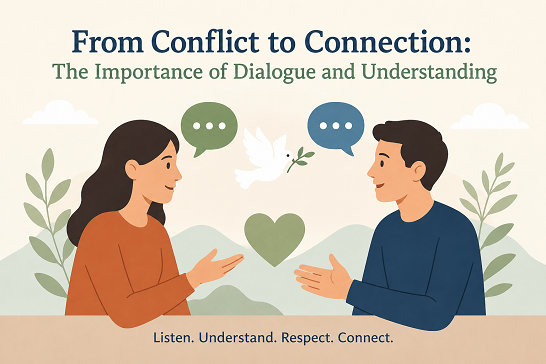
Conflict itself is not always the problem. Disagreements are natural because every person has unique experiences and perspectives. The real challenge begins when people stop listening to one another. When communication breaks down, misunderstandings grow, anger increases, and relationships become damaged. This is why dialogue is so important.
Dialogue is more than simply talking. It is the willingness to listen with respect, speak with honesty, and understand another person’s point of view even when we disagree. Genuine dialogue creates space for healing, trust, and cooperation. It helps people move from fear and suspicion to connection and mutual respect.
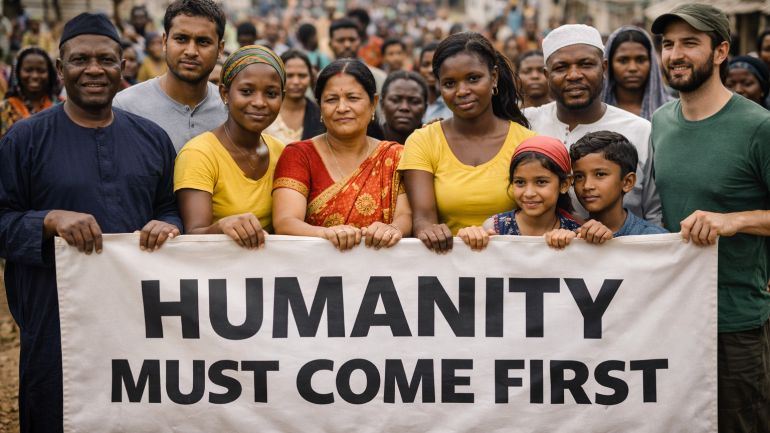
Understanding others does not mean abandoning our own beliefs or values. Instead, it means recognizing the humanity in every person. When we learn to see others with empathy and compassion, we begin to break down the walls that divide us. Communities become stronger when people feel heard, respected, and valued.
History has shown that many conflicts around the world have lasted because of prejudice, misinformation, and the refusal to communicate. At the same time, many great movements for peace were achieved because courageous individuals chose conversation over violence. Leaders such as Nelson Mandela, Mahatma Gandhi, and Martin Luther King Jr. demonstrated the power of peaceful dialogue in bringing people together and creating social change.
In our daily lives, dialogue can transform relationships in powerful ways. A family disagreement can be resolved through honest communication. A misunderstanding between friends can be healed through listening and forgiveness. Communities facing division can grow stronger when people gather to share their experiences and seek common ground.
Young people also have an important role to play in promoting understanding. Through education, social media, community service, and leadership, they can become voices for unity in a world that often encourages division. Teaching children values such as empathy, kindness, patience, and respect helps build future generations that value peace over conflict.
Technology and social media have connected the world more than ever before, but they have also increased the spread of hate, misinformation, and online bullying. This makes the need for respectful dialogue even more urgent. Before reacting with anger or judgment, we must learn to pause, listen, and seek understanding.
Peace is not built overnight. It grows through everyday actions — choosing respectful conversations, helping those in need, forgiving others, and treating people with dignity regardless of differences. Every act of understanding becomes a step toward a more united and compassionate world.
As humanity faces global challenges such as poverty, violence, discrimination, and social injustice, we must remember that our shared humanity is greater than our differences. The journey from conflict to connection begins when we choose to listen, understand, and work together.
In the end, dialogue is not just a tool for resolving conflict; it is a bridge that connects hearts, restores relationships, and creates hope for a peaceful future.
… COME LET’S MAKE NIGERIA A KINDER, GENTLER NATION !!!